Portfolio

Worlds built for learning

Six projects, from heritage reconstruction to humanities and conservation education — each built as a full Minecraft world with companion lessons for teachers.

Humanities #TeachingTheToughStuff Used in Sweden, Wales, France, US

The Refugee Crisis

As part of our #ImmersiveHumanities lesson resource series, we use Minecraft to create courses and resources for #TeachingTheToughStuff — designed to help teachers embrace subjects that are not readily tackled as part of the explicit curriculum but have an impact on student lives both in and out of school.

We developed a Minecraft world to help students explore and understand what is being referred to as "the refugee crisis." The game addresses attitudes and beliefs that make these issues seem irrelevant or abstract to the learner — "it's them not us," "it's happening over there," "they don't have to come here." The lessons have explicit links to the Convention of Human Rights and the Rights of the Child, as well as ties to the UN Sustainable Development Goals.

The final product combines a Minecraft map that invites learners to experience life as a refugee fleeing from war with a OneNote teacher guide embedded with tools such as Flipgrid and Forms, to help with reflective feedback and provide opportunities for student voice to be heard. The underlying theme is "In their Shoes" — decision-making under pressure, and the emotive, complex choices people fleeing war-torn homes have to make.

In November 2018 we partnered with UK charity Play for Progress, who work with unaccompanied child refugees in the UK, to release the full resource — Minecraft map, OneNote teacher guide, Flipgrid and Forms activities, and a Social and Emotional Learning framework — free to educators, alongside an invitation to donate to the charity.

Half of the world's refugees are children, many without the protection of parents or family. This resource lets students explore that reality through justice, equality and poverty; social and emotional learning; higher order thinking; and cross-curricular ties to maths, literacy, civics, geography, history and religious and moral education.
Heritage Client: Scottish Civic Trust 25th National Doors Open Day

Penicuik House

Our clients for this project were DigIt! 2015, the Scottish Civic Trust, and the Society of Antiquaries of Scotland. The brief was to find innovative ways of engaging new audiences with the local history and heritage of Scotland, as part of the celebration marking the 25th National Doors Open Day.

The remit: raise awareness of the significance of local heritage sites in Scotland among wider audiences; inspire more young people to take an interest in their local heritage; and use Penicuik House as a pilot for trialling new tools for engaging the public.

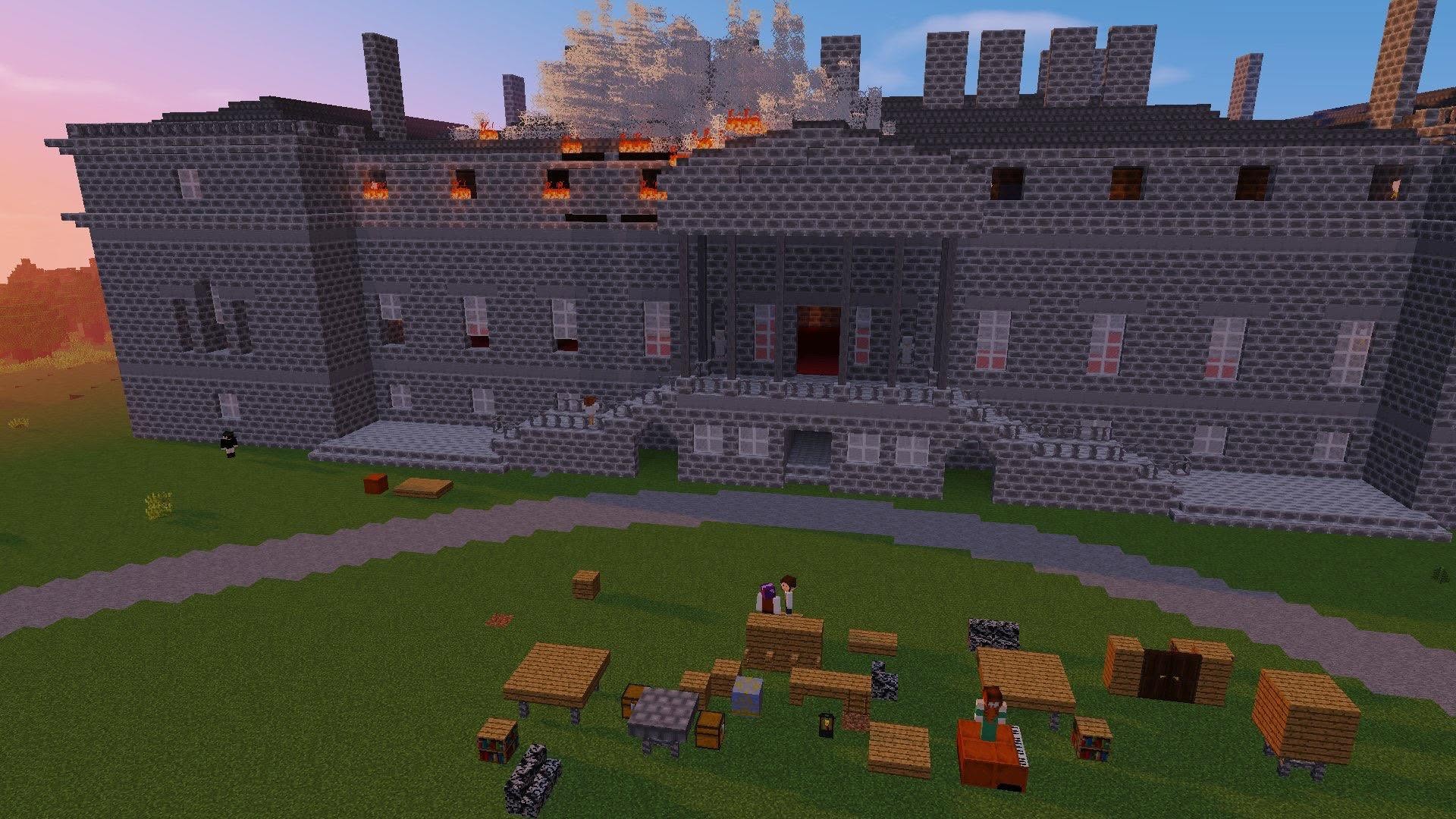
After discussion with stakeholders, we rebuilt Penicuik House in Minecraft. Our researchers and builders worked carefully to ensure the 1760s neo-Palladian architecture was accurately reconstructed at 1:1 scale from historic plans, using period photographs to get the interior textures and fittings right.

The narrative embedded in the map is the great fire of 1899, which consumed much of the original structure and many of the house's rare antiquities. The resource lets learners participate as by-standers watching the fire, then explore the ruined remains afterward — hundreds of thousands of blocks went into the complete and ruined versions of the house.

Conservation With United for Wildlife Supported by Microsoft

We Are The Rangers

A collaboration between ImmersiveMinds and Wandering Wizards, building on a previous project for client United for Wildlife. The aim: deliver a Minecraft Education World engaging learners around the world with the complex political, economic, social and environmental causes and implications of the illegal international wildlife trade.

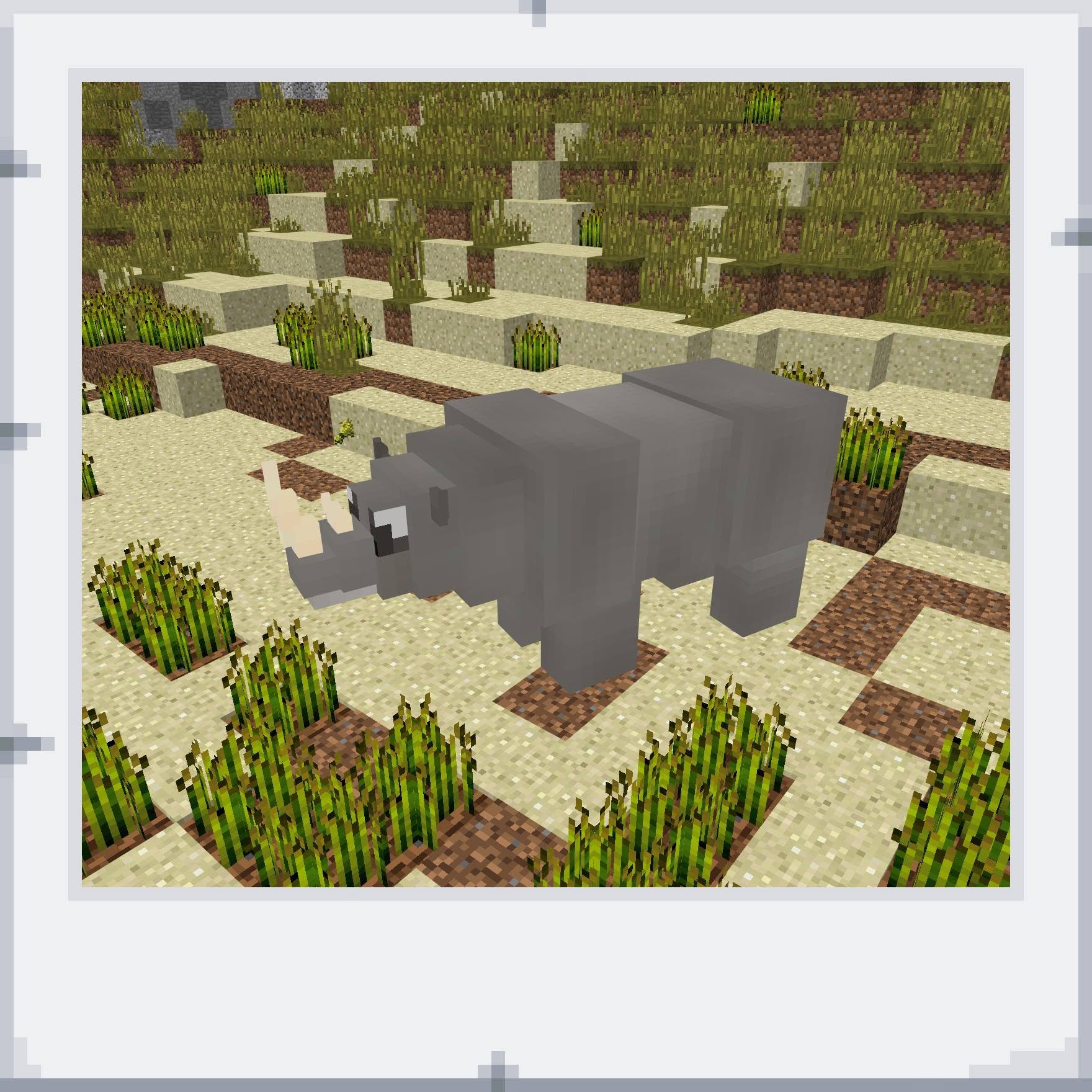
With support from Microsoft, the collaboration aimed to engage a broad audience of global learners; encourage exploration of complex cause-and-effect factors from the classroom; support discovery learning and participative play; convey factual information about the conservation of elephants, rhinos and pangolins; and explore the role of science and engineering in the fight against illegal wildlife trade as a contribution to STEM learning.

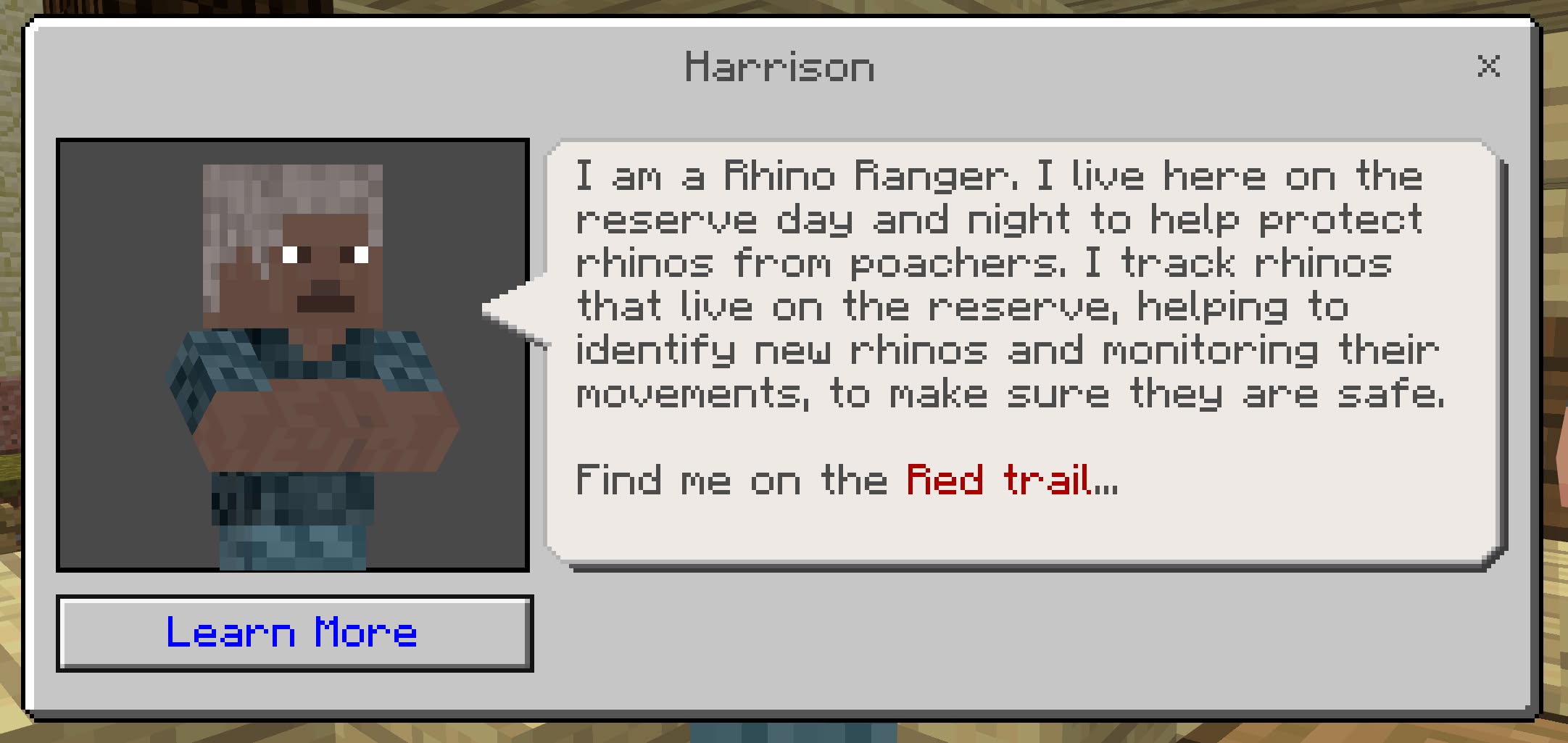
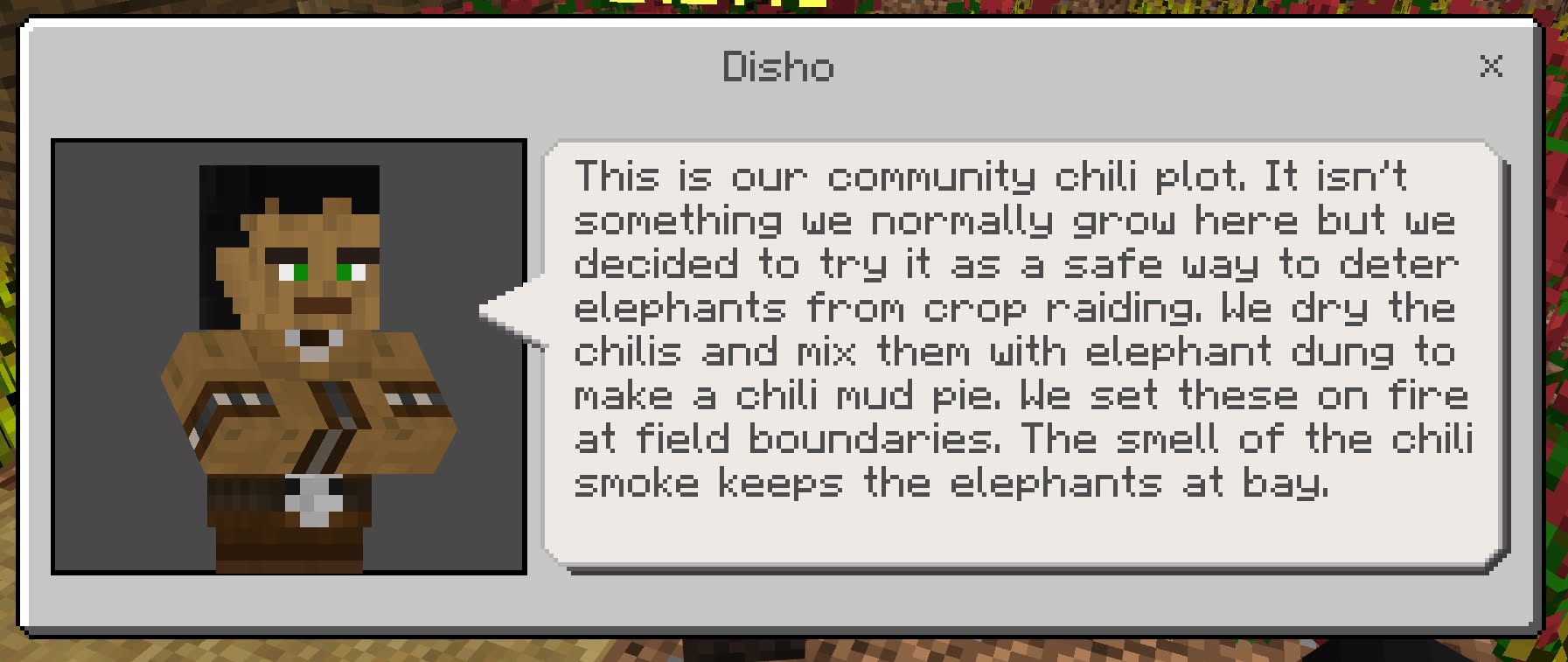
Our education team worked with conservationists from United for Wildlife to develop five Minecraft Education Worlds and companion lessons for teachers, covering the roles and duties of wildlife rangers; elephants as a keystone species and human-wildlife conflict; rhino orphanages and the demand for horn; pangolin trafficking at a working port; and DNA analysis in the lab to identify international trafficking hotspots.

Students and teachers can work a wildlife reserve, monitor wildlife, explore the causes of human-wildlife conflict, solve a trafficking crime at a working port, and help scientists analyse DNA to identify trafficking hotspots.

Commissioned by Microsoft Used in Sweden, France, South Africa, Canada, US

Minecraft Esports

Commissioned by Microsoft to explore the learning potential of Minecraft: Education Edition for esports. We undertook an international literature review into the educational impacts of esports — cognitive benefits and academic achievement, intrinsic motivation, social and emotional skills, health and wellbeing, and inclusion — connected with esports educators in schools, and developed a scholastic definition for esports as "organised, competitive, collaborative play," alongside a Scholastic Esports Pathway for Educators.

The final resource suite includes 7 Make & Model Build Battle Arenas, 7 Coding Build Battle Arenas, 3 Creative Clash strategic-play arenas, an educator guidebook, and playbooks for each arena — designed to build strategic thinking, adaptive and flexible thinking, and dynamic decision-making, alongside social and emotional and digital literacy skills.

Described by educators as something of a Trojan Horse for learning.

Problem Based Learning Global classroom use

Small South Africa

Designed to accompany our Microsoft Problem Based Learning course, we built a Minecraft world in which students explore the diverse problems facing South Africa, developing solutions as part of their curriculum learning — from ethical mining practices and clean water access to urban development, education for girls, tax expenditure, xenophobia, human rights, and conservation.

The map includes a diamond mine, a coastal area with discoloured water, a game reserve of Africa's most iconic and lesser-known wildlife, a city model with key historical buildings from Johannesburg and Cape Town, an informal settlement, Lion's Head Mountain, and a replica Ndebele village.

Ages 8–14 & educators STEM

Immersive Thinking

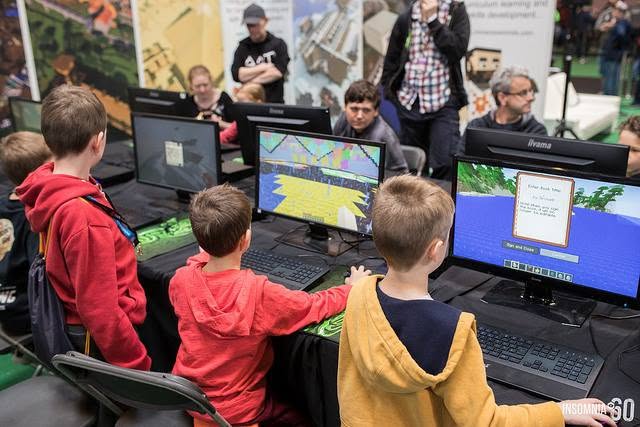
Our Immersive 3D Thinking courses take learners on a visual, creative journey — turning ideas, sketches and designs into real-world 3D digital creations, first inside Minecraft, then transformed for Mixed Reality, Augmented Reality and 3D printing.

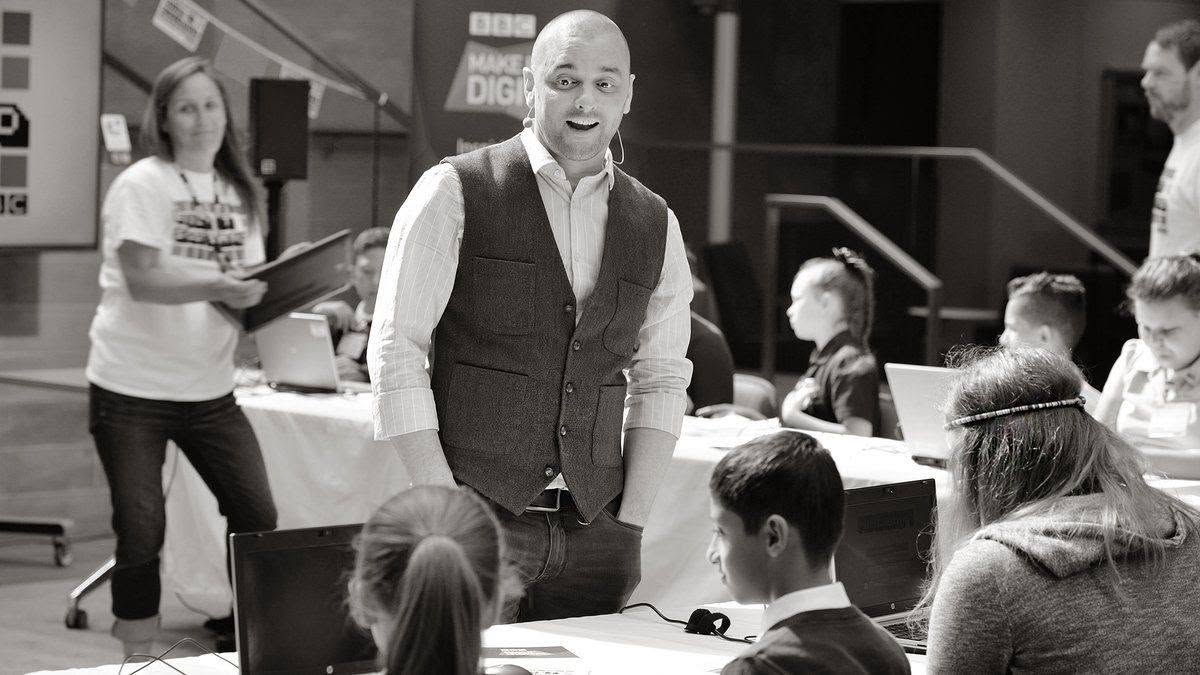
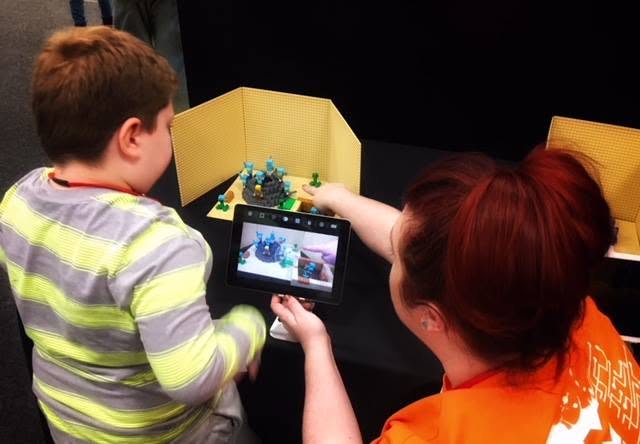
The junior course (ages 8–14) develops visualisation and spatial thinking — foundational STEM skills — and can be requested as part of our Junior Summer Schools. The educators and parents course is a half-day beginner-to-intermediate journey building the same skills for adult learners.